Avoid Montana DOT Fines: Why Accurate Truck Weighing Matters More Than Ever
November 25, 2025 4:21 pm Leave your thoughtsIn the rugged terrain and wide-open roads of Montana, the trucking industry is a vital part of the economy, powering commerce from Bozeman to the Canadian border. Yet, as the Montana Department of Transportation (DOT) increases its oversight of vehicle compliance, truckers and fleet managers face mounting pressure to adhere to strict regulations, particularly regarding weight limits. Accurate truck weighing is no longer a matter of convenience; it’s a necessity. With hefty fines, reputational damage, and operational setbacks on the line, ensuring precise scale readings is crucial for any transport operation within the state. This article explores why truck scale compliance in Montana is more critical than ever and how businesses can safeguard against DOT penalties by prioritizing scale accuracy.
The Growing Importance of DOT Truck Weights in Montana
Montana’s vast roadways might seem forgiving, but the state’s DOT takes truck weights seriously to protect infrastructure and ensure public safety. Overloaded trucks can cause premature wear to roads and bridges, leading to expensive repairs and hazardous conditions for all drivers. As a result, the Montana DOT has ramped up inspections and enforcement measures, particularly in high-traffic regions such as Bozeman and along major freight corridors like I-90 and I-15.
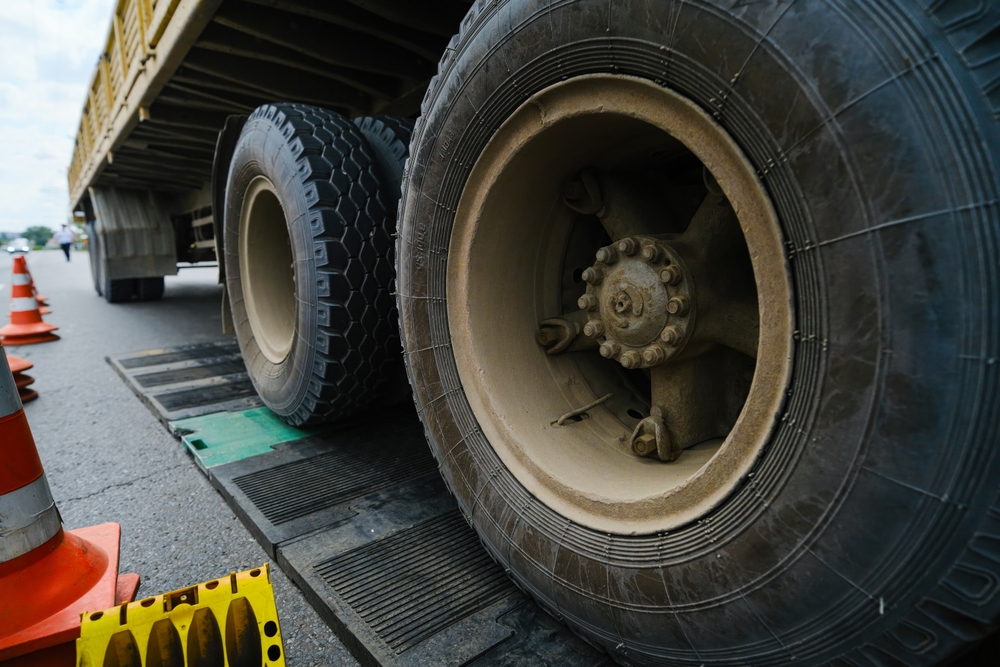
DOT officers are equipped with mobile weighing stations and access to permanent weigh stations positioned strategically across the state. Trucks flagged for inspections that are found to exceed permitted weight limits can face substantial fines, delays, and even out-of-service orders. In some cases, fines can reach thousands of dollars per violation, significantly impacting a carrier’s bottom line. These penalties not only hurt financially but can also tarnish a company’s safety rating, making it harder to secure contracts and maintain good standing with regulators.
For these reasons, truckers and logistics firms operating in Montana must pay close attention to DOT truck weights and take proactive steps to ensure compliance.
Why Scale Accuracy is Crucial for Trucking Operations
At the heart of truck scale compliance is the accuracy of the scale itself. Even minor deviations in weight readings can lead to major consequences, especially when operating near the legal threshold. A scale that reads 2% underweight might seem insignificant, but when hauling tens of thousands of pounds, this variance could mean the difference between a compliant vehicle and an overweight citation.
Accurate weighing ensures that trucks are loaded within permissible limits, reducing the risk of fines and helping to maintain a solid compliance record. In Montana, where the DOT frequently cross-checks weight data from different sources, including onboard truck scales, roadside stations, and shipper-provided documentation, consistency is key. Discrepancies can lead to red flags, further inspections, and costly delays.
In addition, scale accuracy has operational implications. Overloaded trucks may not just violate the law but also strain vehicle components like axles, brakes, and tires. This leads to increased maintenance costs, shortened equipment lifespans, and heightened accident risks. For companies transporting goods in and out of Montana, maintaining high-performance scales translates directly into safer, more efficient operations.
Common Compliance Pitfalls and How to Avoid Them
Despite best intentions, many fleets encounter challenges in achieving full compliance with Montana’s truck scale regulations. Some of the most common issues stem from poorly calibrated equipment, outdated weighing systems, or a lack of standardized weighing procedures. In Bozeman and other key logistic hubs, some operators rely on older mechanical scales that may no longer meet the precision standards expected by DOT inspectors.
Another pitfall is inconsistent record-keeping. Without reliable documentation, proving that a load was within legal limits at the time of departure becomes difficult. This is particularly risky during roadside inspections where the burden of proof often falls on the carrier. Investing in digital weighing systems that log and store data can offer an additional layer of protection against unjust penalties.
Training also plays a pivotal role. Drivers must understand how to properly position vehicles on scales, interpret readings, and recognize signs of potential inaccuracy. A single misstep, such as uneven loading or improper braking during weighing, can distort results and lead to misleading data. Regular training and clear SOPs are essential for ensuring scale accuracy and compliance with Montana’s strict standards.
Montana-Specific Considerations for Truck Scale Compliance
While truck weight regulations share broad similarities across states, Montana has unique geographical and regulatory factors that make compliance particularly nuanced. The state’s climate, with its extreme winters and freeze-thaw cycles, can impact the integrity and performance of truck scales. Facilities in Bozeman and similar areas often see their weighing equipment affected by snow, ice, and fluctuating temperatures, which can alter calibration.
Moreover, Montana enforces specific axle weight limits in addition to gross vehicle weight thresholds. This means carriers must pay attention not only to total load but also to weight distribution across axles. Improper balancing can lead to fines even if the overall weight is within the legal range. To address this, many fleets now employ onboard axle load sensors and dynamic weighing systems that offer real-time feedback.
Montana’s DOT also monitors weight compliance more aggressively during agricultural and resource-extraction seasons, when freight volumes typically surge. Timber, grain, and mining hauls are especially scrutinized, given their high weight-to-volume ratios. Operators in these sectors must take extra precautions to ensure their trucks meet all compliance parameters, from scale accuracy to proper load securing.
Investing in the Right Tools and Technology
To stay ahead of regulatory scrutiny, trucking businesses must view scale accuracy as an investment rather than a cost. Modern weighing systems offer advanced features that enhance precision and streamline operations. From in-ground weighbridges to portable wheel weighers and onboard scales, there are solutions suited for every budget and operational need.
In Montana, businesses in and around Bozeman have increasingly turned to digital and automated solutions that integrate with fleet management software. These systems can flag potential overweight conditions before trucks leave the yard, reducing the risk of DOT citations. Automated alerts, cloud-based data logging, and remote calibration capabilities provide additional peace of mind and help ensure continuous compliance.
Routine scale maintenance is equally important. A small calibration error left unchecked can result in months of inaccurate weighing and increased exposure to fines. Establishing a regular inspection and calibration schedule, ideally with a certified technician familiar with Montana’s compliance standards, is essential.
Choosing a reputable scale vendor is also key. Providers that understand local regulations and environmental conditions can offer customized advice and support. For fleets operating primarily within Montana, partnering with local experts ensures that the equipment is both reliable and optimized for the unique challenges of the region.
Conclusion
Accurate truck weighing has become a cornerstone of regulatory compliance and operational efficiency in Montana. With the state’s Department of Transportation intensifying efforts to monitor and penalize violations, businesses that ignore scale accuracy do so at their own peril. From Bozeman to Billings and beyond, every carrier must recognize the risks of non-compliance and act decisively to address them.
By investing in modern weighing technologies, implementing rigorous training programs, and maintaining robust documentation practices, transport companies can not only avoid costly fines but also enhance safety and reliability. In today’s regulatory environment, scale accuracy is not just a technical requirement; it’s a strategic imperative.
Operating within the bounds of Montana’s truck scale compliance standards ensures that your fleet remains on the road, your reputation remains intact, and your business remains competitive. Don’t let something as avoidable as a weight violation derail your success. Prioritize accurate weighing now, and protect your operation for the long haul.
Need Heavy-Duty Scales in Montana?
Welcome to Rockwell Scales! Rockwell Scales has been a premium retailer and service provider all over the world since 1980. We are a full-service company that installs, repairs, and builds scale systems. Our highly trained and specialized team is available for agricultural, industrial, and mining scale setup. We offer a wide array of sizes, brands, accessories, and weight limits. Rockwell Scales has many repeat customers and places customer service as a top priority. We use the best equipment available, ensuring a high-quality job. Give us a call today to make an appointment!Categorised in: Truck Scales
This post was written by admin