Truck Scale Calibration and Maintenance in Utah: Keeping Your Business Compliant
March 26, 2026 2:50 pm 5 CommentsTruck scales are essential infrastructure for businesses across Utah that handle heavy cargo, aggregate materials, or any products measured by weight. Whether you operate a construction company, agricultural business, or transportation service, maintaining accurate and compliant truck scales is critical for regulatory compliance, customer trust, and operational efficiency.
This comprehensive guide explores the importance of truck scale calibration, maintenance practices, and how to keep your business compliant with Utah regulations.
Understanding Truck Scale Calibration Requirements
Truck scale calibration is not optional in Utah. State and federal regulations require all commercial scales to be calibrated regularly to ensure accuracy and fair trade practices. The National Institute of Standards and Technology (NIST) sets strict standards that all scales must meet, and Utah follows these federal guidelines closely. Calibration involves testing the scale’s accuracy against known weights and adjusting it to meet specified tolerance levels.
When a truck scale becomes uncalibrated, it can lead to significant financial losses. An inaccurate scale might overcharge customers or undercharge them, both of which create problems. Overcharging damages customer relationships and can result in legal disputes, while undercharging directly impacts your profit margins. Regular truck scale calibration ensures that every transaction is accurate and defensible in case of disputes.
Utah businesses must understand that calibration intervals depend on several factors, including the scale’s age, usage frequency, and environmental conditions. Most commercial truck scales require calibration at least once per year, though heavy-use operations might need more frequent calibration. Some industries have specific requirements that demand calibration every six months or even quarterly. Working with certified weighbridge repair professionals in Utah helps ensure you meet all regulatory deadlines and maintain proper documentation.
Establishing a Maintenance Schedule for Scale Longevity
Regular truck scale maintenance extends equipment lifespan and prevents costly emergency repairs. A well-planned maintenance schedule includes daily, monthly, and annual tasks that keep your weighbridge in optimal condition. Daily maintenance involves simple checks like clearing debris from the scale platform, ensuring the surface is clean, and visually inspecting for obvious damage or wear.
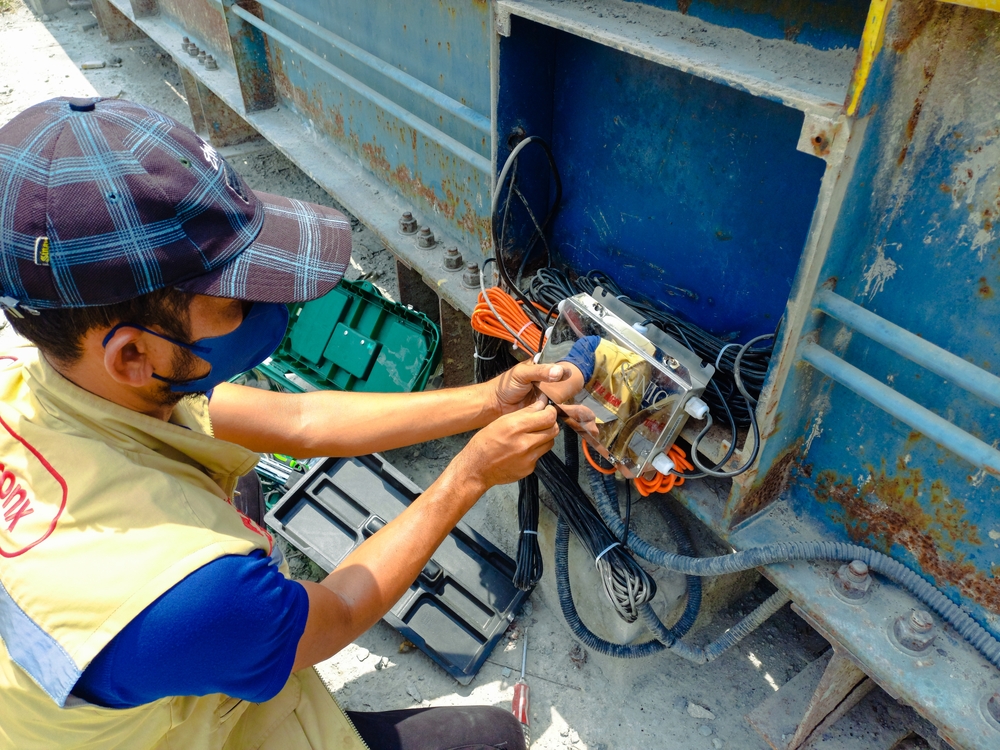
Monthly maintenance should include more detailed inspections of the scale’s components. Check the load cells for signs of corrosion or damage, examine all cables and connections, and verify that the display console is functioning properly. In Utah’s arid climate, dust and debris accumulate quickly on scale equipment, so regular cleaning is essential for maintaining accurate readings. Moisture can also be problematic during winter months when snow and ice are present, making weatherproofing an important consideration.
Annual maintenance should be comprehensive and performed by qualified scale maintenance services. This includes professional inspection of all mechanical and electrical components, thorough cleaning of internal parts, recalibration of sensors, and replacement of any worn components. Many Utah businesses schedule their annual maintenance during slower business periods to minimize operational disruption. Keeping detailed maintenance records is crucial because these records demonstrate compliance with regulations and help identify patterns that might indicate developing problems.
Environmental factors specific to Utah also influence maintenance requirements. Temperature fluctuations between hot days and cold nights can affect scale calibration and component performance. Salt used on roads during winter can accelerate corrosion if the scale is near roadways or exposed to salt spray. Businesses should consider installing protective covers or shelters over their scales, especially in areas with harsh weather exposure.
Utah-Specific Regulatory Compliance for Weighbridges
Utah Department of Agriculture and Food oversees commercial scale regulations in the state, enforcing standards that ensure fair and accurate weight measurements in trade. UT businesses must comply with the Uniform Weights and Measures Law, which aligns with national standards. This means your truck scale must be inspected and certified by authorized inspectors at regular intervals.
When a scale fails inspection, you cannot legally use it for commercial purposes until it passes recalibration and inspection. This creates potential business disruption, making preventative maintenance crucial. Regulatory violations can result in fines, legal action, and reputational damage that extends far beyond the initial penalty. Some customers may refuse to work with companies that have compliance violations.
Documentation is a critical component of compliance in Utah. You must maintain records of all calibrations, inspections, and repairs. These records should include dates, the name of the person performing the work, any adjustments made, and the tolerances achieved. If regulatory agencies conduct audits or if disputes arise, your documentation proves that you take compliance seriously and have maintained your equipment properly.
Utah businesses should also be aware that different types of scales have different certification requirements. Automatic truck scales, bench scales, and specialized scales each have their own regulatory categories. Working with scale maintenance services that understand Utah’s specific regulatory framework ensures you maintain the correct type of certification for your particular equipment and application.
Selecting Professional Scale Maintenance Services in Utah
Choosing the right scale maintenance provider is essential for keeping your business compliant and your equipment functioning properly. Look for companies with proper certifications, extensive experience with truck scales, and a strong track record in Utah. The best scale maintenance services employ technicians who are trained and certified to work with various scale types and manufacturers.
When evaluating potential service providers, ask about their experience with your specific scale model and brand. Some technicians specialize in certain manufacturers, while others work with broader equipment ranges. Request references from other Utah businesses they serve, and verify that the company maintains proper liability insurance. Professional scale maintenance services should provide detailed written estimates before starting work and clear documentation of all services performed.
Response time is another important consideration, especially for businesses where downtime is costly. Emergency repair services that offer rapid response times can prevent significant operational losses. Many reputable companies in Utah offer preventative maintenance agreements that provide regular service visits, priority scheduling, and often cost savings compared to paying for individual service calls.
Ask potential service providers about their knowledge of Utah regulations and their familiarity with local inspection procedures. They should be able to explain the calibration standards that apply to your specific application and provide guidance on maintaining compliance. Good service providers proactively communicate about upcoming maintenance needs and regulatory deadlines rather than waiting for problems to develop.
Investing in Scale Technology and Equipment Upgrades
Modern truck scale technology offers improved accuracy, better data management, and enhanced compliance features compared to older equipment. If your truck scale is more than 15 years old, you might benefit from upgrading to newer equipment. Newer scales often feature digital displays, electronic load cells, and integrated software systems that automatically track calibration records and generate compliance reports.
Digital scales integrate with your business management systems, providing real-time weight data and eliminating manual recording errors. This technology also simplifies regulatory compliance by automatically maintaining detailed records of all transactions and calibrations. Many newer systems include alarm functions that alert you when the next calibration is due, preventing accidental violations.
Upgrading is an investment in both accuracy and compliance, but it often pays for itself through improved operational efficiency and reduced maintenance costs. In Utah, where multiple industries rely on precise weighing for commercial transactions, having reliable and accurate scales builds customer confidence and protects your business reputation.
Conclusion
Truck scale calibration and maintenance are not just regulatory requirements; they are essential business practices that protect your operations, ensure fair transactions, and maintain customer trust. By understanding Utah’s specific compliance requirements, establishing consistent maintenance schedules, and working with qualified scale maintenance services, you can keep your business operating within all regulatory standards. Investing in proper maintenance today prevents costly problems tomorrow and demonstrates your commitment to accuracy and fairness in your business dealings.
Need Heavy-Duty Scales in Montana?
Welcome to Rockwell Scales! Rockwell Scales has been a premium retailer and service provider all over the world since 1980. We are a full-service company that installs, repairs, and builds scale systems. Our highly trained and specialized team is available for agricultural, industrial, and mining scale setup. We offer a wide array of sizes, brands, accessories, and weight limits. Rockwell Scales has many repeat customers and places customer service as a top priority. We use the best equipment available, ensuring a high-quality job. Give us a call today to make an appointment!
Categorised in: Truck Scales
This post was written by admin